
5-Year-Old's Death Prompts Notice of Lawsuit Against Oregon's Child Welfare Agency
The estate of a 5-year-old boy who wandered from his home and died of exposure in November 2024 has issued a formal notice of intent to sue the Oregon Department of Human Services..
Kyllo
11/24/2025

COOS COUNTY, Ore. — The estate of a 5-year-old boy who wandered from his home and died of exposure in November 2024 has issued a formal notice of intent to sue the Oregon Department of Human Services (DHS), alleging the agency failed to protect him from severe neglect despite multiple reports. The November 6, 2025, letter from attorney James Healy details what he describes as six months of documented warnings ignored by child welfare workers, culminating in the preventable death of Joshua James McCoy. While DHS maintains its internal review found no negligence by staff, the notice represents the latest scrutiny of Oregon's troubled child welfare system, which has faced a wave of lawsuits, settlements, and reforms amid rising concerns over accountability and resource shortages.
Joshua James McCoy, a child with autism and developmental disabilities, lived with his mother, Jennifer German, in Coos County, a rural coastal area about 200 miles southwest of Portland. On November 18, 2024, the boy wandered away from their home while German was asleep, succumbing to hypothermia in nearby woods after a three-day search. An autopsy confirmed exposure as the cause of death, with no signs of foul play.
Records obtained by Healy reveal that DHS received at least five complaints about Joshua's welfare between May and November 2024, including reports of inadequate supervision, unsanitary living conditions, and the child's untreated medical needs. One caller, a family acquaintance, described Joshua as "wandering off frequently" and urged immediate intervention. Despite these alerts, caseworkers conducted limited home visits, documented risks in internal files, but closed investigations without referrals for services like developmental therapy or safety planning, according to the notice.
Healy, a Portland-based attorney specializing in child welfare cases, wrote in the letter to DHS Director Fariborz Pakseresht and Oregon Department of Administrative Services Director J.D. Rosacker: "It was the tragic and predictable culmination of six months during which the Oregon Department of Human Services received repeated, escalating reports of severe neglect—and failed to act." He accused the agency of observing "clear and present danger" yet prioritizing closure over protection, potentially violating state child welfare laws and federal standards under the Child Abuse Prevention and Treatment Act.
Under Oregon law, such notices must precede formal lawsuits by 180 days, allowing the state time to investigate or settle. Healy indicated the suit could seek damages exceeding $1 million, though any payout might ultimately benefit German and Joshua's father, Amos McCoy, as estate beneficiaries—raising questions about liability distribution.
DHS's Internal Review and Defense
DHS conducted a public fatality review following Joshua's death, concluding in early 2025 that the assigned caseworker and supervisor were not negligent. The report acknowledged the complaints but determined they did not meet the threshold for mandatory intervention, citing insufficient evidence of imminent harm at the time of closure. Agency spokesperson Matt Shelby reiterated this stance in a statement: "Our hearts go out to Joshua's family and loved ones. We take every report seriously and act within our legal authority to ensure child safety. The review found our staff followed protocols, and we continue to learn from every case to improve outcomes."
The agency has faced broader criticism for handling cases involving children with disabilities. A 2025 DHS analysis of six child deaths revealed that nearly one-third involved youth with intellectual or developmental needs, prompting Sen. Sara Gelser Blouin (D-Corvallis) to question whether the system "lets things slide" for vulnerable families. Disability Rights Oregon echoed this in a separate investigation, finding DHS reports sometimes omitted "embarrassing facts" and underplayed systemic failures.
Oregon's child welfare workforce challenges exacerbate these issues: About 70% of DHS caseworkers have less than 18 months on the job, per a 2025 state audit, leading to high turnover and overburdened investigations. The agency received over 50,000 reports of potential abuse or neglect in 2024, a 15% increase from pre-pandemic levels, straining resources in rural areas like Coos County where response times average 72 hours.
Broader Context: A System Under Siege
Joshua's case is part of a pattern of high-profile failures drawing legal fire at DHS. In May 2024, the agency settled a class-action lawsuit brought by Disability Rights Oregon and A Better Childhood for $39 million—the largest such payout in state history—over systemic abuses in foster care, including out-of-state placements without oversight that contributed to at least one child's death. A federal appeals court in October 2025 expanded the settlement to cover all children in DHS legal custody, mandating an independent expert to monitor reforms through 2034.
Other suits highlight alleged negligence: A 2023 case involving 15-year-old Bernard, who endured years of instability after re-entering foster care, resulted in a $2.5 million award. In February 2025, lawmakers advanced Senate Bill 463 to bolster the state's self-insurance fund, strained by over $40 million in child welfare payouts since 2006, amid fears of insolvency.
Critics, including Gelser Blouin, argue the system prioritizes compliance over prevention, with only 49% of cases adequately addressing mental health needs. Advocates like Healy point to underfunding—state contributions cover just 10% of DHS operations—as a root cause, while agency defenders cite legal constraints and family privacy laws limiting interventions.
Key Metrics in Oregon Child Welfare (2024-2025)
DataAnnual Abuse/Neglect Reports~50,000
Child Fatalities Under Investigation20+ (up from prior years)
Workforce Tenure (Avg.)<18 months for 70%Settlements/Payouts Since 2006>$39 million
Children with Disabilities in Fatalities~33% of reviewed cases
Reactions and Path Forward
Amos McCoy, Joshua's father, expressed grief and resolve in a family statement: "Joshua deserved better. We're fighting so no other child slips through the cracks." German has not publicly commented, but records indicate she cooperated with the initial investigation.
DHS pledged to incorporate lessons from the case into ongoing reforms, including expanded training on disability-related risks and a 90-day safety decision-making review launched in April 2025. Gov. Tina Kotek's administration, which vetoed a 2023 bill overhauling investigations, has committed to legislative collaboration in 2027.
As the 180-day clock ticks toward a potential filing, Joshua's notice joins a chorus demanding systemic change. For Oregon's 8,000 children in foster care and thousands more under monitoring, it serves as a poignant reminder of the stakes: a system strained by scrutiny, yet essential for the most vulnerable. Whether it leads to accountability or another settlement remains to be seen.
The Circumstances of Joshua's Death
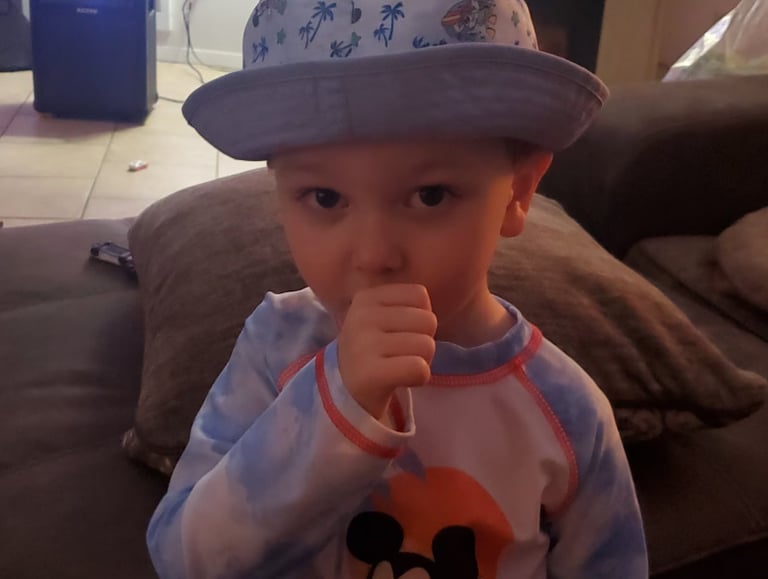
Photo of Joshua James McCoy, 5. The lawyer for the child’s estate sent a letter to the state this month, stating plans to file a lawsuit and detailing what he described as the state’s mishandling of complaints about the boy’s welfare.Courtesy of Amos McCoy